
Republicans earned their defeat. That doesn’t mean voters endorsed socialism. The same electorate that handed Democrats offices also approved limits on government and rejected parts of the progressive agenda. Here is the unabridged version of my column on what voters chose—and what they didn’t.
This editorial ran in the Tuesday 17 November 2026 edition of the Moscow-Pullman Daily News.
If Americans rejected conservatism on November 3, then explain this.
Ohio elected Democrats to the governorship and U.S. Senate while approving constitutional voter ID by roughly two to one. North Carolina sent Democrat Roy Cooper to the Senate while expanding constitutional voter-ID requirements and constitutionally capping the state income-tax rate at 3.5%. Voters gave Democrats the office and set limits on it.
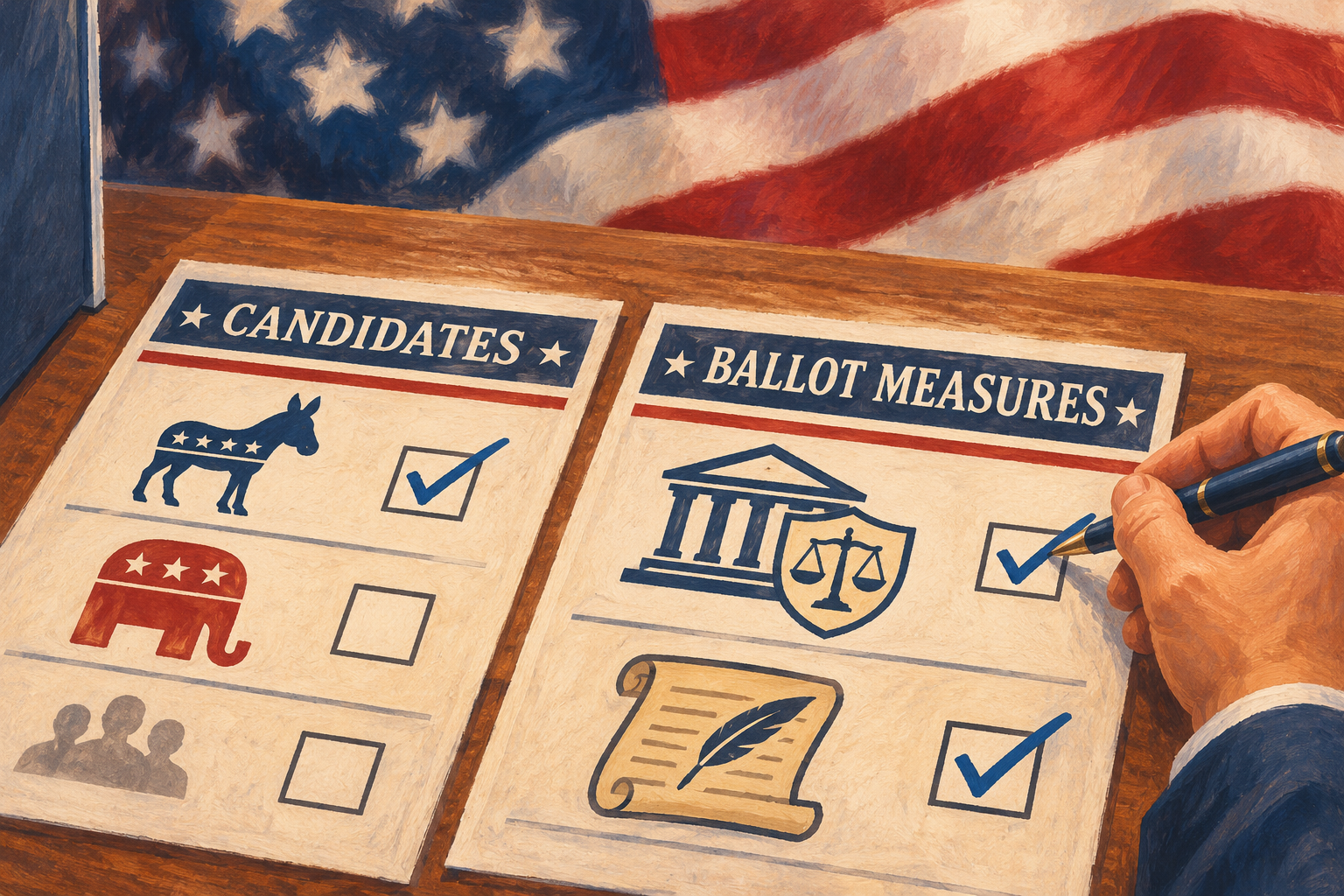
Look next door at Washington. Roughly 57% voted to preserve girls’ K–12 school sports for females. Arizona handed Democrats control of both legislative chambers while approving similar sports restrictions. Arizona’s Proposition 318 also restricted access to school bathrooms and locker rooms by sex. Nearly 59% voted yes. Apparently, electing Democrats didn’t require voters to forget the difference between boys and girls.
Colorado supplied two more examples. Voters approved Proposition 134, restricting participation in male and female school and college sports by sex, and Proposition 135, prohibiting sex-change surgeries for minors. Each drew about 52% support in the reported returns. Those were separate questions. Voters answered both. Nebraska also approved constitutional protections for female school and college sports, with roughly 68% support.
Missouri was the exception. Voters rejected Amendment 3, which bundled restrictions on gender-transition procedures for minors with repealing the state’s constitutional abortion protections. That result doesn’t tell us how a standalone question would have fared. We shouldn’t pretend otherwise. The argument doesn’t require every conservative proposal to win. It requires recognizing that a Democratic victory isn’t a blank check for the party’s entire agenda.
Even California voters rejected a proposed 5% tax on billionaires’ wealth. Winning office didn’t settle policy. A vote for Trump in 2024 wasn’t a lifetime subscription to the Republican Party. And the same rule applies to Democrats in 2026.
A New York Post report on J.L. Partners’ Election Day survey of 1,000 registered voters estimated that 35% of Trump’s 2024 voters stayed home, while 8% backed Democrats for the House. Those are polling estimates, not a verified tally of individual voters. Still, losing supporters to the couch is different from losing them to socialism. Neither staying home nor switching parties amounts to endorsing the Democrats’ entire agenda. And “they didn’t turn out” leaves Republicans with a question: Why didn’t you give them a reason to?
The evangelical numbers tell a similar story. In NBC’s exit poll, white evangelical or born-again Christians accounted for 17% of voters, down from 23% in 2024. Of those who voted, 82% backed Republicans. Republicans should ask why their reliable supporters became less visible at the polls. Taking their votes for granted isn’t much of a turnout strategy.
So what did Republicans do to earn their beating? I’m a political independent, and I don’t have a MAGA dog in this fight. I share the objections to tariffs, high living costs, and the war in Iran. Republicans controlled the White House and both chambers of Congress. Whom did they expect voters to hold responsible?
In my May 2025 column, “Reject Partisan Tariffs and Restore Fiscal Integrity,” I argued that Trump’s tariffs were taxes on Americans dressed up as punishment for foreigners. One small business pays the tariff while its politically connected competitor gets an exemption. Which part of that is free enterprise? In NBC’s midterms exit poll, 66% said Trump’s tariffs hurt the national economy while just 21% thought they helped. Republicans promised affordability while taxing the goods Americans buy. Slower inflation doesn’t undo the previous price increase.
In my April 2026 column, “Confront Iran, but Reject Another Desert Disaster,” I opposed another open-ended Middle East war. Congress should authorize war. A president who asks us to fight owes Americans an explanation of what victory looks like. Families paying more to fill the tank had another reason to wonder when this war would end.
Citing an unnamed pollster, Vice President JD Vance gave four answers about what would bring defecting Trump voters back. They wanted to “end the war,” “focus on cost of living/inflation,” “put America First,” and “change our relationship to Israel.” Asked about Vance’s diagnosis, Trump said he didn’t disagree. Yet he also said he would make the same decision again. After the election, Reuters/Ipsos found that 71% of Americans supported legislation to end the Iran war, including about half of Republicans.
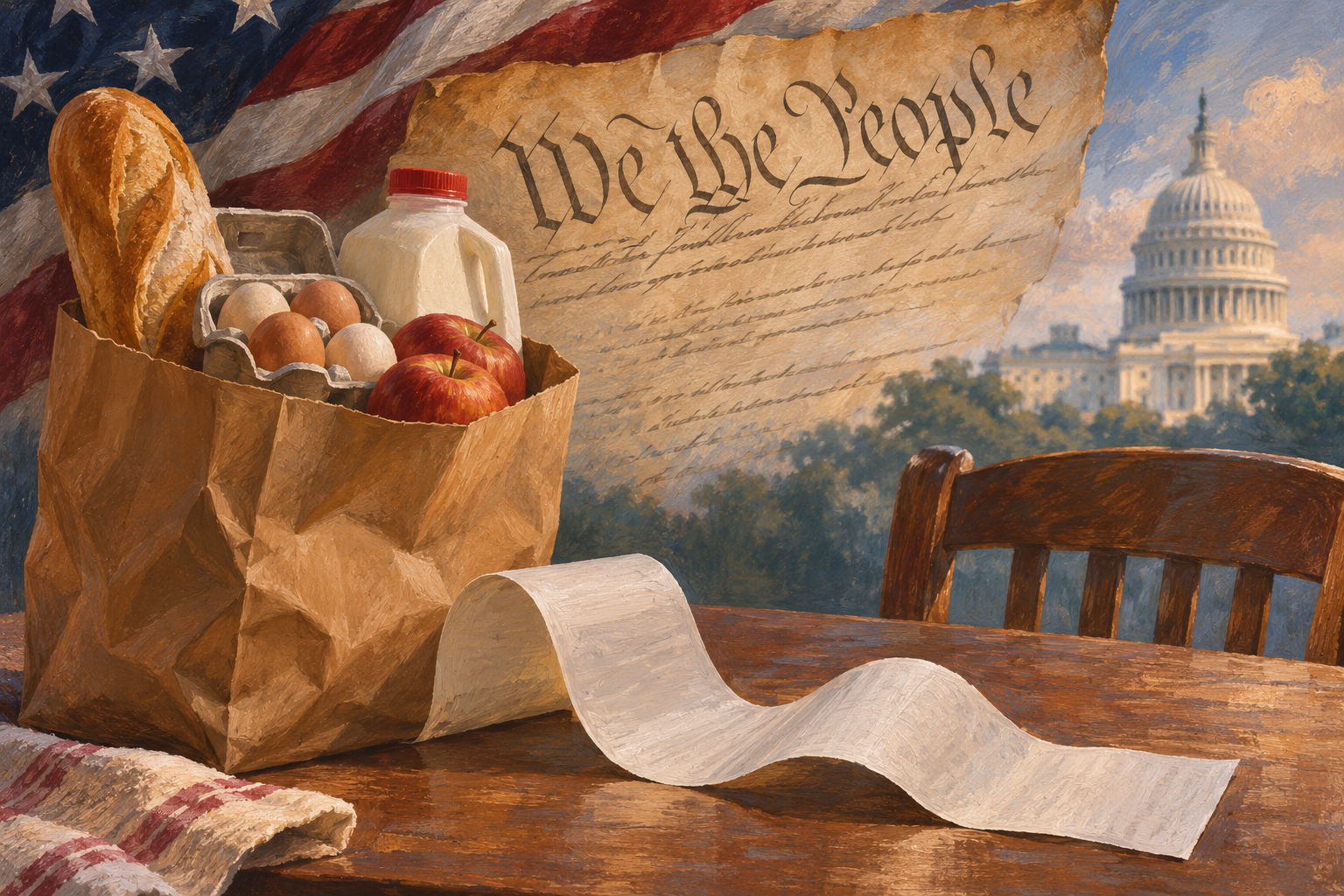
Some votes were personal. In NBC’s exit poll, 44% said opposition to Trump was one reason for their House vote, compared with 16% who voted to express support for him. In that poll, 62% believed Trump put his personal interests ahead of the country’s. Voters had every right to hold Trump responsible for his decisions and his conduct. If Democrats use their majority to bring down costs and help end the Iran war, they’ll have plenty of company. Mine included. But they’ll have to show how their socialist policies will lower the bills Americans actually pay.
The Democratic Socialists of America claim considerably more. Their postelection statement declares that Americans “have emphatically endorsed socialism.” Apparently, voters worried about grocery prices were secretly commissioning a new political system. In NBC’s exit poll, a majority viewed socialism unfavorably, and capitalism still drew majority approval. Meanwhile, the DSA program calls for abolishing the Senate, police, and prison system, replacing the presidency and Supreme Court with an executive and judiciary subordinate to Congress, and nationalizing major corporations and essential industries.
Maryland Sen. Chris Van Hollen wants to replace Chuck Schumer as Democratic leader. He favors ending the legislative filibuster so a majority can “answer the call of the American people.”
Eight members of the DSA’s House bloc are headed to Congress. While those eight can’t dictate terms in a large Democratic majority, their activists and progressive allies can pressure Democrats through primary challenges. Meanwhile, party leaders will still decide which demands they’ll accept.
In October, Illinois Democrat Delia Ramirez introduced legislation to abolish ICE and Customs and Border Protection, advancing a goal shared with the DSA. Voters can object to certain deportation practices yet still expect immigration law enforcement, including deporting felons. How many voters who wanted that signed up to abolish both agencies?
Republicans should try practicing what they campaign on before deciding conservative principles have become unpopular. Democrats have a choice of their own. They can address the costs that helped put them in office, or let their socialist flank turn a grocery bill into permission to rewrite the Constitution.
Voters fired the managers. They did not sign over the country.